“The Future of Pastures”, a European dialogue on agriculture and climate
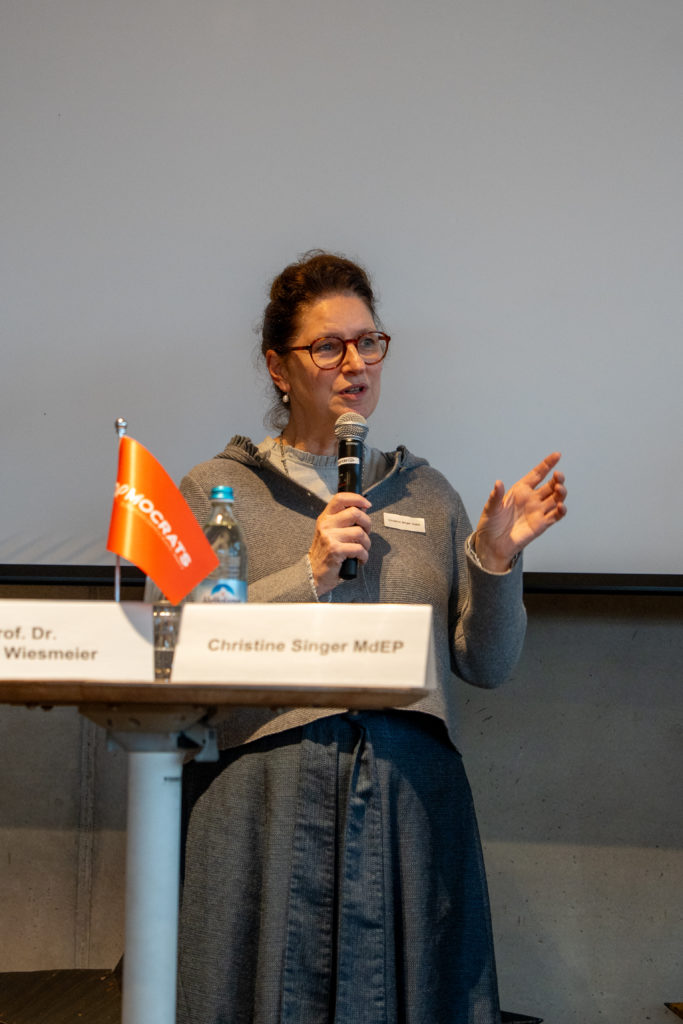
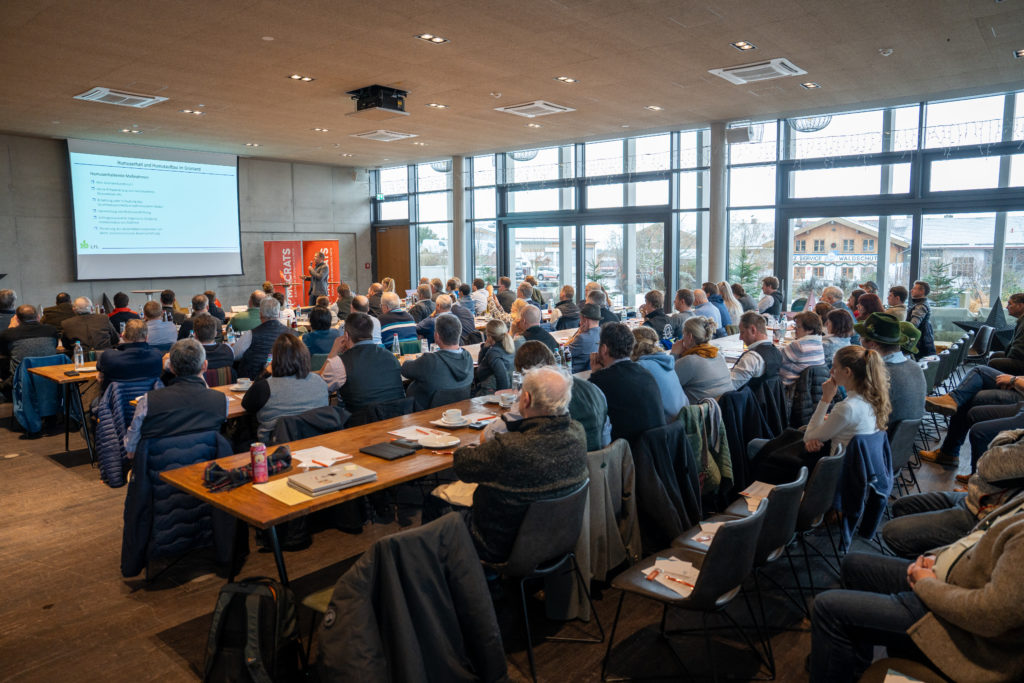
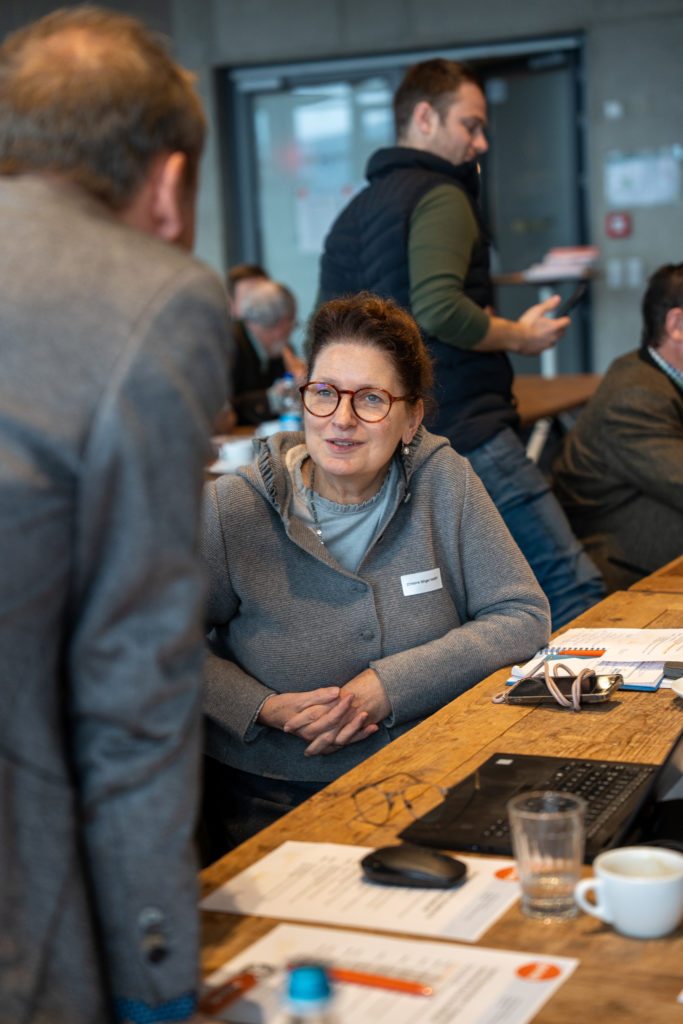
On 5 December 2025, at the Dinzler Kaffeerösterei in Irschenberg, Bavarian Freie Wähler MP Christine Singer opened the proceedings of the initiative organised in cooperation with the European Democratic Party. In her introductory remarks, Singer emphasised the urgency of sustainable management of grassland, a key issue for agriculture, climate and society, and central to her work in Brussels within the Renew Europe political family. After her speech, the audience watched video messages from EDP Secretary-General Sandro Gozi, EDP Vice-President and former Italian Minister of Agriculture Teresa Bellanova, and Frédéric Petit, EDP Deputy Secretary-General and French MP elected in the Eastern Europe constituency, which includes Germany.
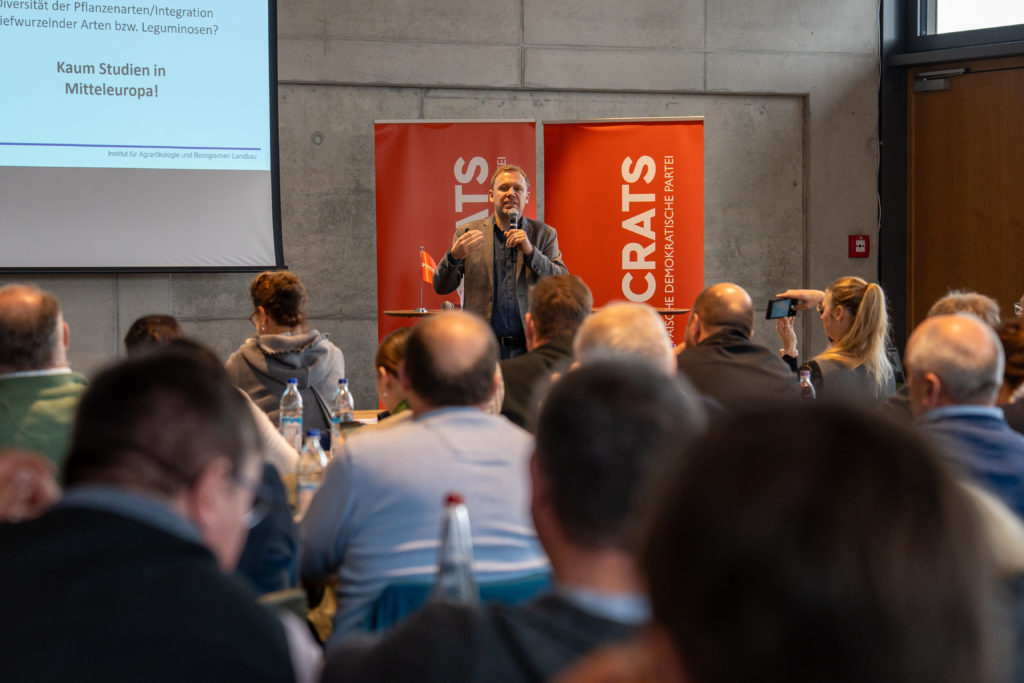
Their contributions reinforced the European and strategic nature of the day, which was geared towards concrete dialogue between science and politics. The programme intertwined scientific evidence and political perspectives. Martin Wiesmeier explained the role of permanent grasslands as carbon sinks, highlighting their potential and limitations. KIT researchers explored the impact of grazing and different fertilisation techniques on soil quality and the nitrogen cycle, while Johannes Holzner addressed the new frontiers of sustainability in animal husbandry. The EDP highlighted this technical framework as an essential basis for data-driven public decisions consistent with European climate objectives. During the round table discussion “Welche Grünland-Zukunft wollen wir in Europa – und wer gestaltet sie?” (What future do we want for grassland in Europe – and who will shape it?), Singer helped to outline a balanced vision that integrates agricultural profitability, environmental protection and regulatory certainty.
The discussion showed how the future of grassland depends on European policies that support the virtuous practices already in place in the territories and strengthen the resilience of rural communities. The discussion on the CAP post-2028 highlighted how the EDP considers the simplification of rules, agronomic innovation and more targeted support for soil management to be priorities. In her closing speech, Singer summarised the guidelines that emerged and indicated what he will take to Brussels on behalf of the EDP and the regions it represents, with the aim of transforming this dialogue into policies that benefit European farmers and citizens.
The Irschenberg meeting confirms the European Democratic Party’s commitment to promoting a modern, inclusive and sustainable agricultural model. The next steps at European level will offer the EDP an opportunity to consolidate these perspectives, reinforcing a centrist and liberal vision that combines rural development, climate innovation and quality of life for all European communities.
The European Democratic Party guarantees the highest level of transparency in the pursuit of its exclusive purpose as well as in its organization and financing.
EDP partner organizations are: the Young Democrats for Europe (YDE) and the Institute of European Democrats (IED)