Proteggere i minori online senza violare la privacy è possibile

La crescente attenzione internazionale sul rapporto tra minori e social media, dalle recenti normative in Australia al dibattito nel Regno Unito, riapre una questione centrale in Europa: come garantire la sicurezza online senza creare nuovi rischi per la privacy. Il Partito Democratico Europeo sta seguendo da vicino questa discussione, fondamentale per la tutela dei diritti fondamentali e per un ecosistema digitale inclusivo. È in questo contesto che si inserisce il contributo del vice segretario generale dell'EDP Mark Camilleri Gambin, che nel suo documento “Proteggere i bambini senza l'incubo della privacy degli ID digitali” analizza i limiti dei sistemi di identificazione invasivi e propone un approccio alternativo tecnicamente valido e rispettoso delle libertà individuali.
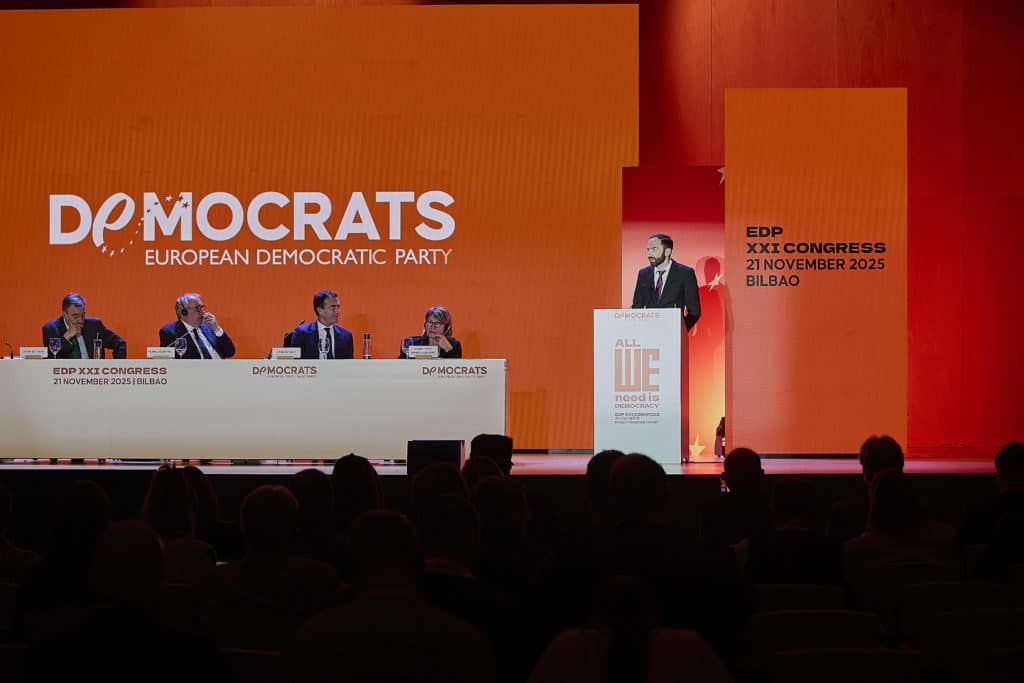
Camilleri Gambin observes that many of the solutions currently under discussion ‘almost always involve digital IDs or intrusive age verification systems,’ with the risk of turning child protection into ‘a surveillance nightmare.’ The EDP considers this reflection a useful contribution to a European debate that must balance child protection, civil rights and the proportionality of the tools used.
The paper suggests a simple approach: using a signal from the device’s operating system, activated by the parent during configuration. The option “is this device for a minor?” would generate a flag that cannot be bypassed with a reset and would allow online services to receive only binary information — isMinor: true/false — without names, documents or other personal information. “I’m not talking about ‘stamping’ every network request with a label,” the author clarifies, “but a simple API check on request, very similar to accessing geolocation data”. A solution that, from the EDP‘s perspective, demonstrates how security can be strengthened without sacrificing privacy.
The document also points out that similar features already exist in iOS and Android, currently limited to closed ecosystems such as “Screen Time” and “Family Link”. The idea is to make them interoperable through open standards that allow platforms and developers to apply them transparently. This contribution is part of Secretary General Sandro Gozi’s work for a Europe capable of innovating while protecting rights and the rule of law, avoiding extreme or disproportionate solutions.
The European regulatory debate will benefit from technical analyses such as this one, which outline pragmatic paths towards a digital environment that is safer for minors and more respectful of citizens. The EDP will continue to support an informed discussion based on evidence and a clear balance between protection, freedom and responsibility.
The full paper is available HERE for download: Protecting Children without the privacy nightmare of Digital IDs
L’article Protecting minors online without violating privacy is possible est apparu en premier sur Website of the European Democrats.


